

Nothing is more critical to protecting your commercial property and the health and safety of its occupants than the roof. Roof maintenance can be a challenging component to stay ahead on, but annual roof inspections can play an important role in that protection.
Your roof continuously faces significant threats, including those from the climate, such as extreme heat or cold, snow, hail, rain and wind, and from nature, such as from animals, insects, and fallen tree limbs. When problems do occur, they can quickly grow in size. Broken seals or membranes can grow, minor cracks can expand, and gaps can become gullies. Any one of these issues can cause extensive water damage, including rotting wood and mold growth to roofing material. Other problems can arise from aging materials, such as caulk, structure defects or shifting over time. It is for these natural and common occurrences that proper roof inspections and roof maintenance play a crucial role in extending the longevity of your roof system.
Warranties can also help keep costs under control. However, no warranty lasts forever and may not be valid under certain circumstances. For example, most roofs maintain their warranties only if they have undergone steady, consistent maintenance and inspections year after year. This is another reason why regular roof inspections are to your benefit!
While performing a total roof replacement can be needed depending on the circumstances, educating building owners to have a more proactive vs. reactive approach to the health of their roof is cornerstone to extending each roof’s life span.

COMMON ROOF ISSUES
Wind Uplift Damage
While roof material and installation processes have evolved for maximum efficiency, mother nature can have a mind of her own. Flat or low-sloped roofs, common on commercial properties, fight against wind damage better than high-sloped roofs, such as those on a typical home. But that doesn’t make roofing material invulnerable to wind, especially if a property has single-ply roofing.
Damaged Flashing
Flashings are installed at walls, curbs, pipes, and other penetrations to prevent water intrusion. Damaged or improperly installed flashing can create gaps where water can enter, ultimately ending up in a higher likelihood for roof repair.

Ponding Water
Poor design and drainage can lead to standing water, which can cause leak damage and rot. Clogged gutters and drain baskets are a major source of ponding water.
Ponding water is a significant concern for commercial roofing because it can lead to leaks, structural damage, and accelerated deterioration of roofing materials. Standing water adds unnecessary weight to the roof, potentially compromising its integrity over time. Routine roof inspections are essential for identifying areas where ponding occurs, allowing property managers to address drainage issues before they escalate.
Roof inspectors can evaluate drainage systems, locate low spots, and recommend corrective actions, such as re-sloping or improving drainage pathways. Regular monitoring not only extends the life of the roof but also safeguards the building’s overall structural health

Punctures and Open Seams
Punctures often occur because of accidental human action, such as from other trades or tenant. Debris blown or tossed on the roof can also cause punctures. Seams can be lifted from high winds, causing leakage, heat loss and eventually roof failure.
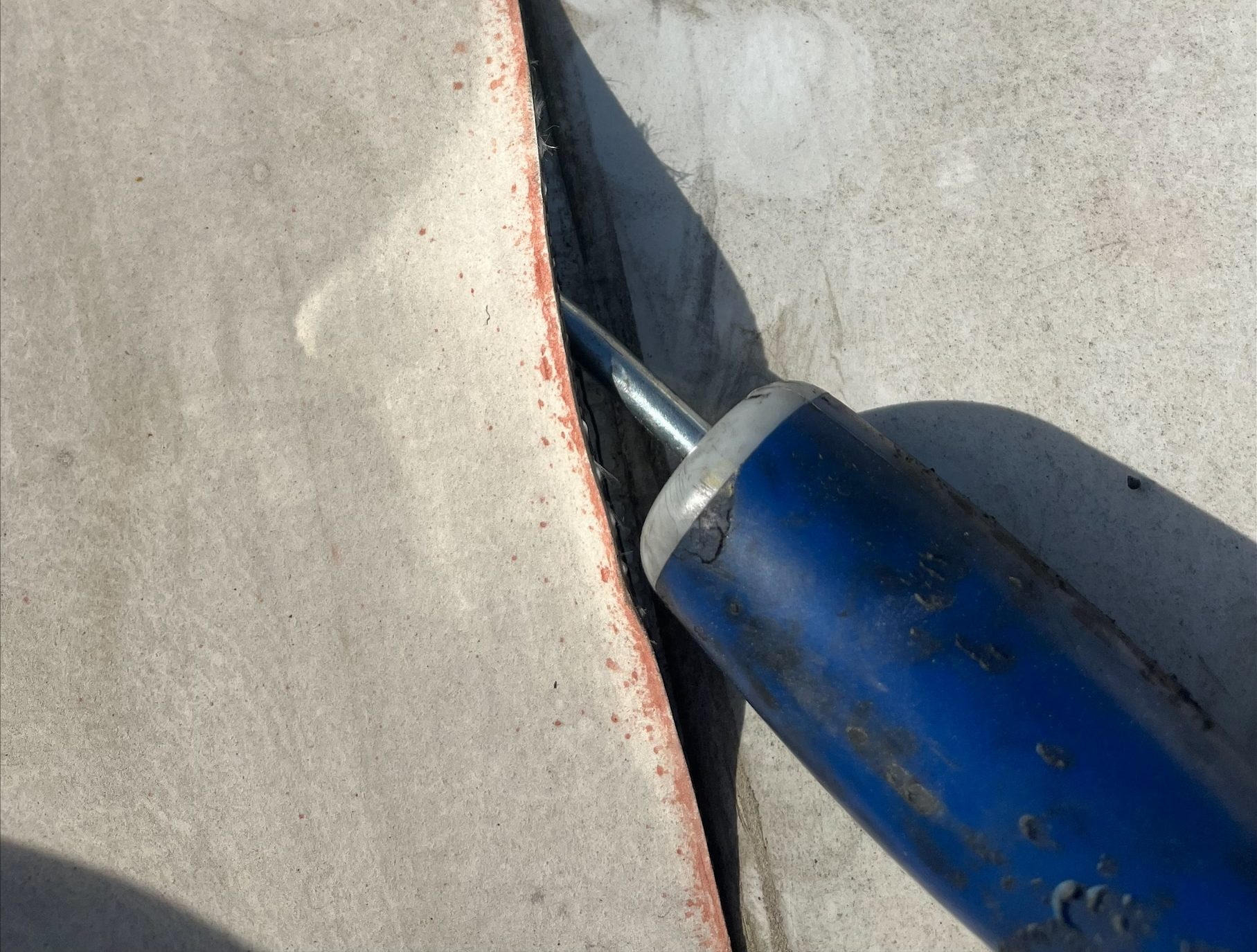
Failing Caulk
Proper caulking is essential in roofing because it creates a watertight seal that prevents leaks and moisture intrusion. This helps protect the structural integrity of the roof and the underlying materials from water damage, mold growth, and rot. Additionally, effective caulking can enhance energy efficiency by minimizing air leaks, reducing heating and cooling costs. Regular inspection and maintenance of caulking are crucial to ensure long-term roof performance and to avoid costly repairs down the line.
As sealant ages, tiny openings and cracks may occur, eventually leading to roof leaks. Caulk usually needs to be replaced every two to five years.
Blisters
Blisters are a significant concern for commercial roofing as they can indicate underlying moisture trapped beneath the roofing membrane. These blisters form when water vapor accumulates, causing the membrane to bubble and weaken. If left unaddressed, blisters can lead to membrane failure, leaks, and extensive water damage, compromising the building’s integrity. Additionally, they may disrupt the roofing system’s insulation properties, resulting in increased energy costs.
Conducting a regular roof inspection is crucial for detecting blisters early, allowing for timely repairs to prevent further deterioration and ensure the longevity and performance of the roof. Addressing blisters promptly is vital for protecting your investments
Rely on RoofAdvantage 360 to Ensure Optimal Warranty Coverage
RoofAdvantage 360 is a comprehensive commercial roof service and maintenance solution developed by the reputable and experienced contractors of Roofing Corp of America. With our Defend 360 preventative maintenance program, your roof will be regularly inspected and maintained by a contractor with experience and proven roofing know-how. We’ll provide detailed documentation, and when possible we’ll keep digital copies on hand to help support your needs should they be needed in the future.
Contact us today to learn more about RoofAdvantage 360 and how we can help you extend the life of your roof, lower your overall costs, and get the most from your warranty.
The Importance of Proactive Roof Maintenance
Fixing a leak before it happens is far less expensive than fixing it after it occurs. In addition to rot and mold, insulation can be compromised, interior machinery and storage can be ruined and moisture can also create tremendous additional damage when it boils in the summer and freezes in the winter.
But, for many building managers, a roof is “out of sight, out of mind.” Damage can fail to be discovered due to the inconvenience of accessing a roof regularly. This makes professional roof inspections essential to finding these problems before they worsen so you can make a repair instead of a full roof replacement. It’s been shown that preventative roof maintenance can double a roof’s life expectancy.

The Recommended Roof Maintenance Process
Roof maintenance begins with a professional commercial roof inspection from a qualified commercial roofing expert. The process generally includes three main components: a visual inspection, general maintenance and reporting.
Expert Visual Inspection
A professional inspector will examine every part of the roof to identify damage, cracking or indications of water ponding. They will also inspect seams and penetrations and confirm flashing and drainage components are functioning as expected. Sometimes roof leaks may not be visible to the naked eye, but upon futher inspection, water may have been soaking down through the insulation and to the roof deck.
General Maintenance
Minor repairs will be made once the problems have been identified, such as re-sealing or re-caulking small penetrations or gaps. Trash, tree limbs and other debris will be removed and discarded. Loose flashing or drainage components will be re-secured as needed.
Reporting and Repairs
A comprehensive report with photos will be issued. Minor areas that could be remedied during the inspection process will be identified, with a list of those needing to be addressed immediately. The inspection records should be kept in case they are required for future warranty claims and ongoing maintenance.

How RA360’s Defend 360 Maintenance Program Makes a Difference
The RoofAdvantage 360 commercial roof program provides maximum protection for a roof. It offers complete roof coverage from three best-in-class services, including Defend 360. This preventative roof maintenance program has been shown to extend the life of a roof by as much as 100%, helping you avoid spending huge amounts for a full roof replacement. With this proactive service agreement, you will:
- Extend your roof’s lifespan and delay replacement
- Avoid large, unexpected roof repair costs
- Enhance overall building performance
- Receive priority leak repair
- Ensure compliance with codes and regulations
- Mitigate potential safety hazards
- Minimize disruption and headaches from unexpected issues
- Adhere to, and even extend, manufacturer warranties
Contact the RoofAdvantage 360 team for regular commercial roof inspections and ensure your roof is well maintained. Learn how we help you protect your roof and everything it protects here.


